
Remarks on Receiving the Iqbal Masih Award

April 2, 2012 | Len Morris

I’m honored to accept this award and would like to share it with all of the people who have helped over the years with the films, our Kenya Schoolhouse program and Media Voices for Children.

Thank you for this encouragement.

I got here by accident from another career.

I was making network TV documentaries … about Jewish history, fashion, Mussolini, JFK, movie westerns, even singing cowboys…

Then Stolen Childhoods came along and changed everything.

It took seven years in seven countries to make this documentary on the worst forms of child labor. Narrated by Meryl Streep, the film’s been shown all over the world.

And it changed every aspect of my personal and professional life.

Child labor became an all-consuming subject in our household. My wife would write and revise our scripts, my son traveled to Kenya and Texas to record sound, my daughter is the voice of a young girl in the gravel quarries in Stolen Childhoods. I think you get the idea.

During those shoots, Robin Romano and I would often head into the streets at night to film the parallel universe of street children. Four years later, a second feature documentary, Rescuing Emmanuel, was released. The story of a 13-year-old street boy provides a window into the lives of 100 million street children.

Two films – ten years of production – eight countries – nearly a thousand hours of footage. We take every opportunity to use this footage at conferences, on campuses and before government – to put the children in the room, to remind us all that they are kids now. Their lives can’t wait.

In 2009 we created Media Voices for Children, an online community for children’s rights. I serve as the Editorial Director and I write frequently for the site. Every day I am immersed in a new world of activism that Iqbal’s short life embodied.

Over 100 organizations, filmmakers, photographers and activists share their viewpoints, research and media at the site.

Naturally child labor is at the top of the list of subjects we cover.

You’ll always find MVC original productions and interviews with world leaders in the fight to end child labor: Kailash Satyarthi, Desmond Tutu and the late Wangari Maathai.

This fall we’ll release the final film in our own trilogy on children’s rights, The Same Heart.

It’s an essay about the state of children and the successes and failures of development aid…a dialogue between a father of eight living on a dollar a day, community organizers, AIDS orphans, Nobel Laureates, economists and philanthropists.

It poses one question:

How can we create a more equitable world for children with less hunger, abuse, disease, and child labor?

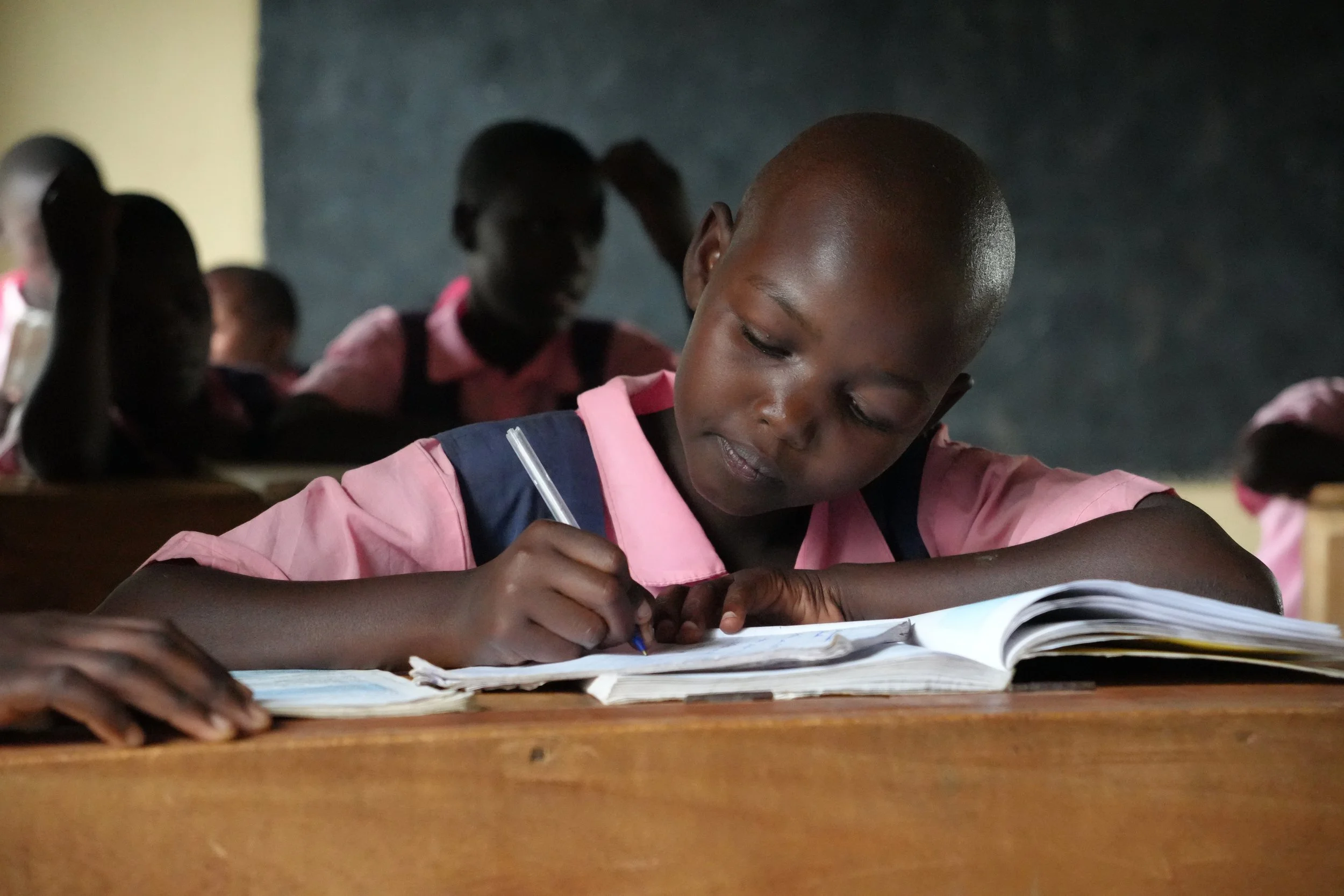
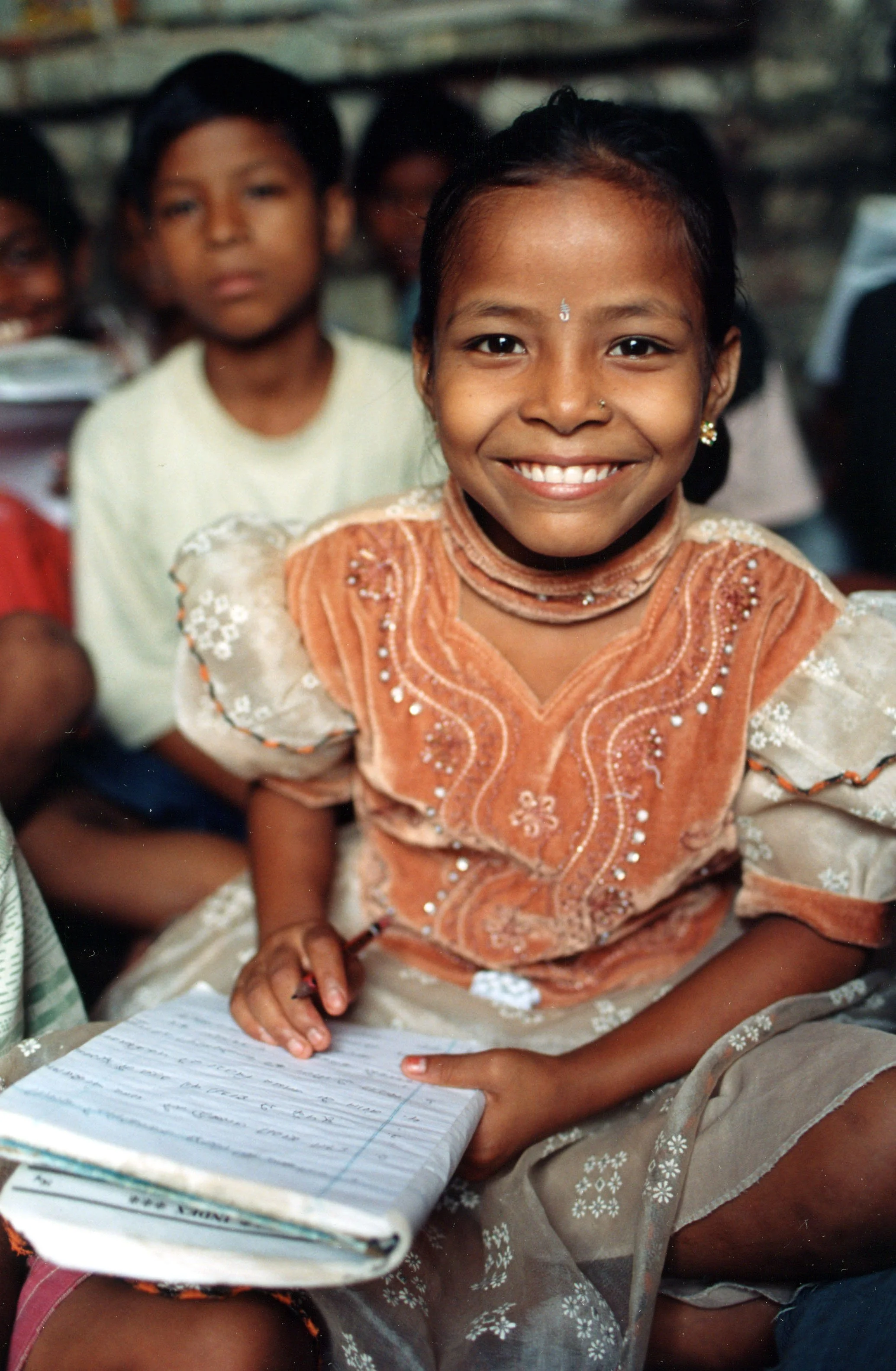
Besides creating noise about children’s issues, Media Voices for Children also sponsors a hands-on scholarship program, Kenyan Schoolhouse – now in its tenth year.

These pictures were taken on a coffee plantation in Kenya in 2002. At that time, easily half of the workforce picking coffee were young children.

These children worked hungry, the majority of them young girls.

Their skin was covered in white powder, pesticides that made them sick.

Many had cuts and infections from climbing into the sharp plants.

At that time, primary school fees of about $50 a year kept them, and four million other Kenyan children, out of school.

We liked these kids.

We did some quick math. And every crew member coughed up enough to enroll 34 kids in primary school, then another 30 or so a few weeks later.

Awash in warm feelings of triumph I returned home and then realized what we’d done.

The kids wouldn’t need the fees for just one year…and most of them stayed in school and excelled!

I turned to our local community to help us raise money for them and that support has continued for the past ten years.

Now fast forward with me to last September. The NGO that has run the program for us, ANPPCAN (African Network for the Prevention and Protection Against Child Abuse and Neglect), plans a surprise on our first day in Kenya.

As we approach the campus of Kenyatta University we are met by these four young men.

What they all share in common is that our Kenyan Schoolhouse program helped them get through primary and secondary school. They won scholarships to university!

And they’ll be graduating in architecture, engineering, chemistry and business.

One told me, “You don’t remember me, but I remember the first day you came to the plantation. I was picking coffee. I was ten years old.”

Hopefully our next university portrait will include four young women.

But these young students are tangible examples of why we started Media Voices for Children.

They remind us that…

Poverty needn’t be a final destination for any child.

A child isn’t stupid because she’s born poor.

Education is the most effective way to end child labor.

We’re always looking for funds for the coffee kids of Kenya and we invite your community to join ours in this work.

One final idea.

There’s a wonderful primary school in the middle of a coffee plantation I’ve been visiting for ten years now.

700 kids try to learn there every day, hungry…and ashamed.

Some children put stones in their lunch-pails to avoid being discovered as too poor to bring food from home.

For 30 cents a day per child, we could change that with a school lunch program…and guarantee attendance!

It’ll bring kids out of hard labor, cut hunger and give girls a chance to go to school – that’s three Millennium Goals covered by one lunch program.

Our new film, The Same Heart, proposes a way to pay for this kind of investment.

I can think of no better way to honor Iqbal’s memory.

  • Share/Bookmark

Leave a Reply