Not a day goes by that my inbox doesn’t have a story about human suffering in some corner of the world; children trafficked into sex slavery, droughts in northern Africa, refugees fleeing civil war, children dying from HIV and other preventable diseases, hunger and malnutrition taking a toll on one third of the world’s populace. In each case, human need dwarfs the international community’s willingness or capacity to respond. Our responses to disaster vary widely.
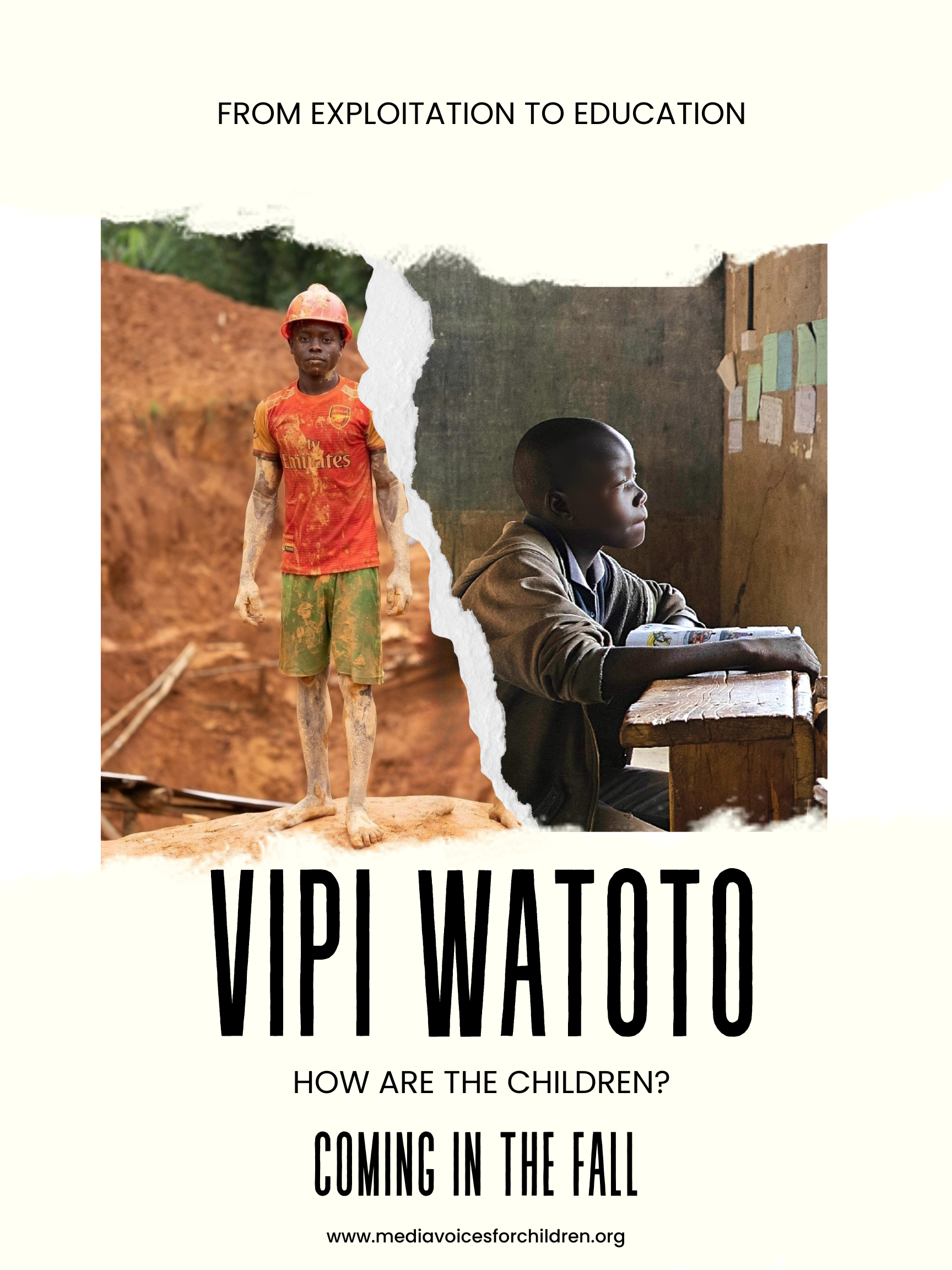
Sometimes the stories I read report the by-products of poverty: children working in gold mines in West Africa or on cocoa plantations, children mining silver and gold in the mountains of Peru, outbreaks of disease in Africa and the steady drumbeat of children dying from HIV at the rate of a half million a year. Meanwhile, other silent emergencies beckon: tens of millions of street children fending for themselves, 14 million children orphaned by the HIV pandemic, one child in three hungry around the world. See for example the State Department’s annual Trafficking in Persons report, which tracks the efforts various countries make in combating the predatory exploitation and enslavement of vulnerable people, the lion’s share of whom are of course children.
The Economic Outlook
And to this perfect storm we now add the complication of a deepening global financial crisis, brought on by the zealous pursuit of profits of the global financial sector. What we’ve witnessed in the past two years is a further retreat from foreign aid as countries struggle to bail out their own economies. Rising unemployment and economic stagnation have pushed hundreds of millions of people back into extreme poverty while the prices of basic food commodities like rice, corn and oil have tripled due to a combination of increased demand and speculation.
Some appeals for funds fall on nearly deaf ears, others produce a tidal wave of pledges. The sheer number and frequency of natural disasters seems to have taken a toll on global generosity. The UNHCR has just released the 2010 Global Trends report and the news is staggering. The report shows that 43.7 million people are now displaced worldwide – roughly equaling the entire populations of Colombia or South Korea, or of Scandinavia and Sri Lanka combined.
A Sense of Purpose
In 2002, recognizing that human suffering was a shared obligation, over 50 heads of state and representatives from the IMF and World Bank, adopted the Monterrey Consensus- a pledge to commit .07% (that’s seven tenths of one per cent) of their gross domestic income for the purpose of alleviating poverty. Since then, three American Presidents have reaffirmed the United States commitment to that level of ODA (Official Development Assistance) and the global community has undertaken the Millennium Campaign to meet 8 time bound goals to reduce poverty (the MDG’s) by 2015- all driven by the assumption that the funding we have pledged will materialize.
Too Little Too Late
Since the UN adopted to the MDG’s in 2000, funding has always lagged significantly with less than 50% of the pledged monies actually being committed. If we’re going to help end poverty, reduce the spread of deadly diseases, compensate for climate change, cut hunger and malnutrition and educate millions who’ve never set foot in a classroom- how exactly are we to do that without a reliable source of funds?
Well for one thing, governments have lots of demands for money in their own countries, feeding poor people on the other side of the world can be a hard sell politically. In the U.S., aid appropriations are often cut or delayed as they move through the required Congressional spending gauntlet and the story repeats itself in most of the major donor countries. In fact, only a handful of Scandinavian countries has met their pledge of .07%; the rest lag behind. Currently, the United States contributes about a quarter of our actual commitment – that’s about two tenths of one per cent. In a recent news story from IRIN, the United Nations humanitarian news feed, the World Food Programme has had to cut food rations to certain refugee camps in half, because they just can’t raise the money to feed people.
Misconceptions about US Aid
Meanwhile, the American public greatly overestimates the amount of foreign aid we do give. Polls suggest that a majority of Americans believe we hand out money like water, perhaps as much as 15% of our federal budget. But the real numbers tell a different story.
American aid figures are often distorted by military expenditures to war zones. Topping the list of our aid recipients have been Iraq, Afghanistan, Egypt, Israel and Pakistan. Aid is further complicated by in-kind contributions, particularly food, which can undercut a poor country’s capacity to support their own farmers, by flooding a country with our surplus. Meanwhile, American farmers are paid price supports to produce those surpluses.
Aid as a Profit Center
Projects to alleviate hunger and address the MDGs are sought-after enterprises. A small handful of qualified Beltway vendors oversees American aid in its many forms and profits from charging their overhead many times over. The argument goes that our money must be managed and directed by American consultants and organizations to assure the efficacy and transparency of the aid programs. Unfortunately, the cut they take in overhead and operating expenses can leave very little of taxpayer money for the poor. Ethicist Peter Singer, whose work focuses on public and private philanthropy, estimated that perhaps five cents of every aid dollar makes its way to the street after the aid industry is finished deducting overhead costs, travel and salaries.

Follow the Money
Two web sites are particularly useful in learning about the complex world of humanitarian aid; Relief Web reports news and global developments, while Financial Tracking Service allows you to create customized reports to examine aid flows to specific countries. I’ve spent a few hours at each of these sites and keep arriving at the same conclusion: no matter the country, disaster or humanitarian appeal literally all of them are underfunded. In some cases, the response is non-existent with appeals made to no avail. Perhaps you can only shout “FIRE” so many times and expect help from your rich neighbors.
Haiti: A Case Study in Disaster
January 10th was the second anniversary of the Haitian earthquake that killed over 200,000 people and left 1.6 million homeless. A remarkable outpouring of generosity resulted in almost 13 billion dollars in aid being committed to rebuild Haiti and help its people. But apart from the disturbing inability to account for hundreds of millions of aid dollars, pledges of funds and delivered funds appear to be two entirely different matters. For example, of $1.4 billion pledged by the US Congress for rebuilding efforts, only $184 million has been committed to actual projects and of the $4.6 billion pledged by donors, only 43% had been disbursed. Officials point to the lack of infrastructure, the culture of corruption and an ineffective central government in explaining why more projects haven’t helped the people of Haiti get out of tent cities – still prevalent two years after the disaster.
A recent article at Global Post, Haiti Earthquake: Two Years Later, Where Did the Money Go? expands the litany of explanations to include donors repaying themselves and an aid culture among NGOs who enrich themselves and drive Land Rovers at $60,000 each.
The Takeaway
Passing the hat for foreign aid doesn’t work. Aid allocations will always be subject to local politics and economic pressures and will be among the first to be cut.
Aid is often duplicative and redundant. We need a global system to centralize the data about how and where aid is spent, allowing us to track everything from emergency goods in regional warehouses to the ongoing distribution of food and medicine.
Aid shouldn’t be a profit center for any sector or a white collar career for over-paid consultants. We need to examine how our aid is delivered and do a better job of overseeing the process.
Innovative Sources for Funding: The Financial Transactions Tax
FTT is an acronym you may already be familiar with. It stands for financial transactions tax. Simply put, a growing number of economists, governments and organizations believe that a tiny tax on financial transactions (stock and bond sales, currency exchange, derivatives, futures and commodity trades) could produce the funds we need, each year and every year, to meet the MDGs and make up the shortfall in ODA.
There are many FTT proposals knocking around, two FTT bills before the US Congress and different proposals at the UN and before the European Union. The IMF has issued a staff report on implementing such a levy and found that it can be done and that the financial sector is basically under-taxed. Many people have the attitude that it was the bankers that got us into this mess and they should pay their fair share to help clean up their mess. The profits the financial sector continues to generate and the inflated compensation bankers pay themselves may have something to do with why some folks now call FTT the “Robin Hood Tax”.
At present, there’s not a lot of enthusiasm for the idea in the US or UK, a reflection of the enormous power of the financial sector. Even so, it appears that the EU, with the conservative support of Germany and France, is moving forward with a tax that will yield over 100 billion Euros a year. Not all of that money will be dedicated to helping end global poverty but the next discussion will be about exactly that, how to divvy it up.
Putting the needs of the world’s poor at the center of our financial system makes sense as a way to supplement the most basic of human exchanges, helping someone who needs that help, especially when 60% of the world’s poor are women and children. After more than a decade of reporting on these issues, it’s clear to me that there are no simple solutions – we are in a generational conflict to end child labor, educate children and make the world a better and safer place. Getting at poverty will take a reliable source of money. Demand and human need for aid has far outstripped what governments are able to take from their taxpayers. We need new and innovative ways to fund the work ahead and FTT looks like it can be one of the innovative tools to get us where we need to go.