
Child labor is the primary focus this week at Media Voices. In March, we posted ¿Soy Niño?, graphic footage of children working in the mining sector in the mountains of Peru. Now the UN Office for the Coordination of Humanitarian Affairs, IRIN, has produced a film about children working in quarries in Sierra Leone, “Breaking Rocks.”
Whether the child is crushing rocks with a hammer or carrying loads on their backs from deep within the earth, work in mines and quarries is clearly one of the worst forms of child labor. Besides the back-breaking work of carrying up to a ton of rock to an open-faced grinder, or working at risk of death a mile underground, the one million plus children (ILO estimate, 2005) who do this work breathe the fine dust generated in the crushing process which causes silicosis, a slow death as the particles of dust accumulate in the lungs and effectively strangle the child.
According to OK International, an NGO working with quarry operators in India, silicosis kills 30,000 people a year in India alone – where many of the quarry workers are children.

In “Reducing Silica Exposures in Stone Crushing”, a newly developed water-based technology reduces the amount of silica released into the air where children are laboring by 80% and cuts illness and death proportionately. While the labor remains back-breaking and inappropriate for children, this innovative approach saves lives for all workers, whatever their age or gender. Too often, we talk and talk and talk about child labor. Here is a demonstrably successful approach that should be scaled up immediately to save children’s lives. The World Bank has funded the road system in India that uses much of the gravel the children are producing. Why not fund a major expansion of this silica-reducing technology, while enforcing a ban on child labor in any projects the Bank funds.
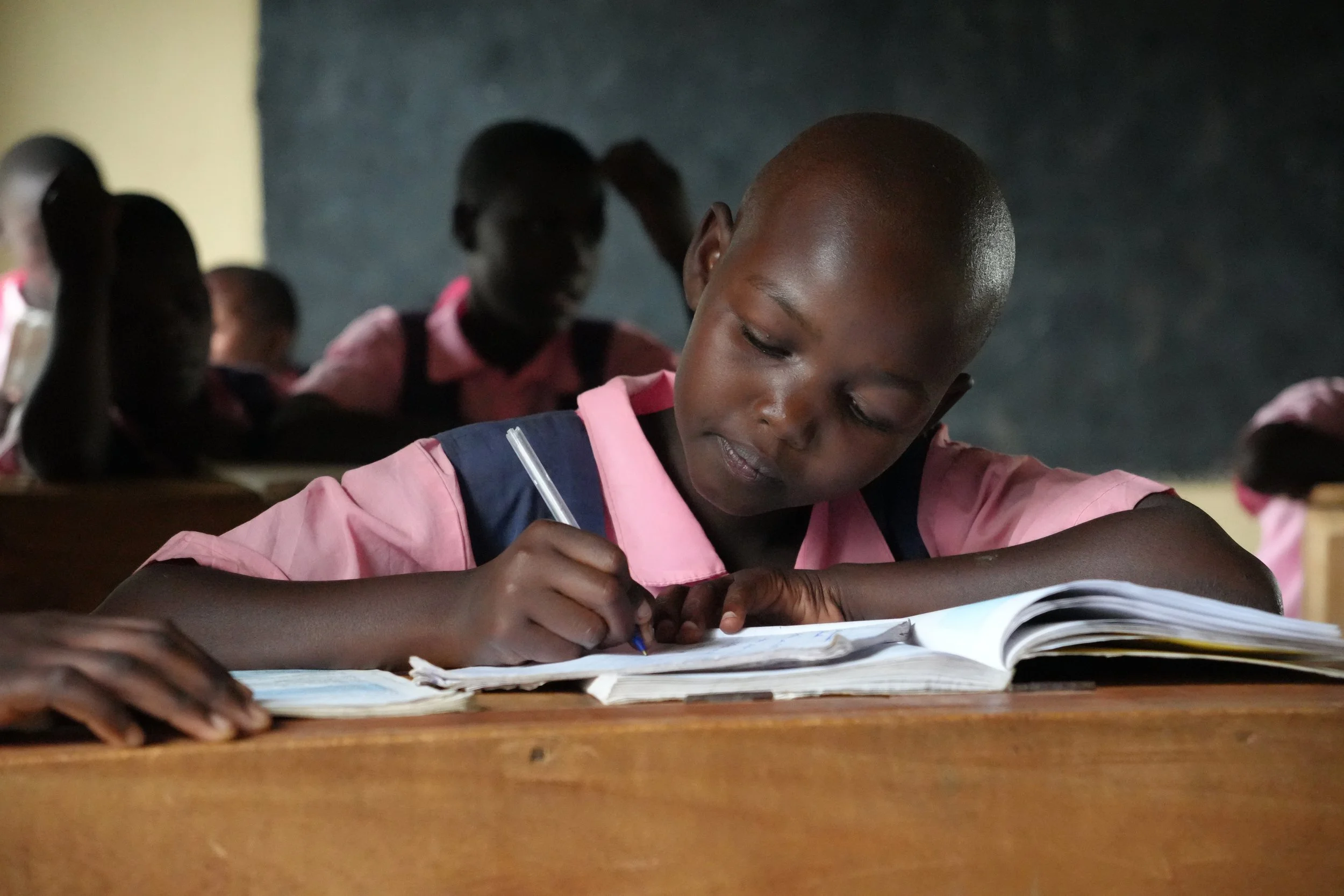
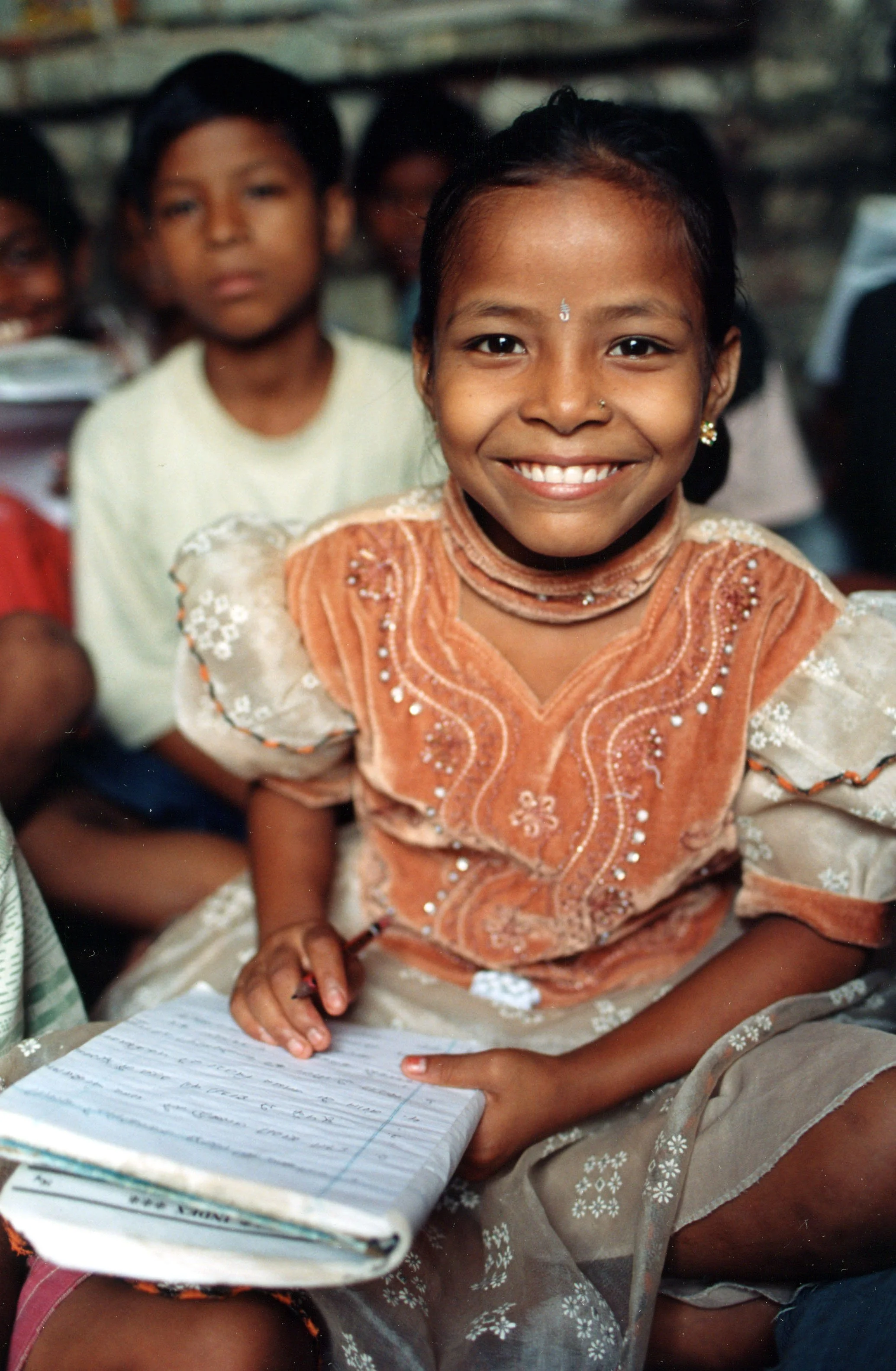
Another video we offer this week is an ILO Production,“The Road to 2016″. I like this film because it shows things that work to remove children from child labor. In Uganda, where one million children are orphaned and 1 in 4 work, removing school fees has doubled school enrollment. In Brazil, an income transfer program called the Bolsa Familia, pays families for sending their children to school and has been operating successfully for over twenty years. In India, a midday meal scheme has increased attendance in schools across the country aided by a variety of other government interventions. “The Road to 2016″ shows us that we can take finite steps that make a difference to end child labor.
Turning to our own backyard, the ILRF has released a report on America’s compliance with UN Resolution 182 on the worst forms of child labor, A Matter of Urgency. The report details how tens of thousands of children work unprotected in agriculture in the United States today in violation of the UN resolution we adopted in 1999 and calls for immediate action on the part of our Congress to revise outdated federal law through passage of The Children’s Act for Responsible Employment, also known as the CARE Act. We have been covering the incremental progress of the CARE Bill as it seeks Congressional co-sponsors and support. This year has seen a real upsurge of interest in removing children from the hazards of farm labor, whether accidents or pesticides. Here is one of those instances where contacting your Congressional delegation and telling them how you feel can make a real difference. The CARE act is pending and needs us to give this long-overdue issue the attention it deserves.
And finally, a shocking film from IRIN on the plague of child abuse and rape in South Africa. “Surviving Rape” is hard to watch. Seeing toddlers being warned about sexual predators makes me wonder if we’ve hit bottom yet. The film points out that 30% of rape victims in South Africa are under 12 years of age, 60% under 18 years of age. If there’s going to be any change in this grim landscape of poverty, abuse and criminality that contributes to this phenomenon, then we need public information like “Surviving Rape” to begin a dialog about how we can put a stop to this sickness and protect the babies who rely on us for protection.