From Tobacco Fields
to a Master’s Degree: A Journey Beyond Child Labor
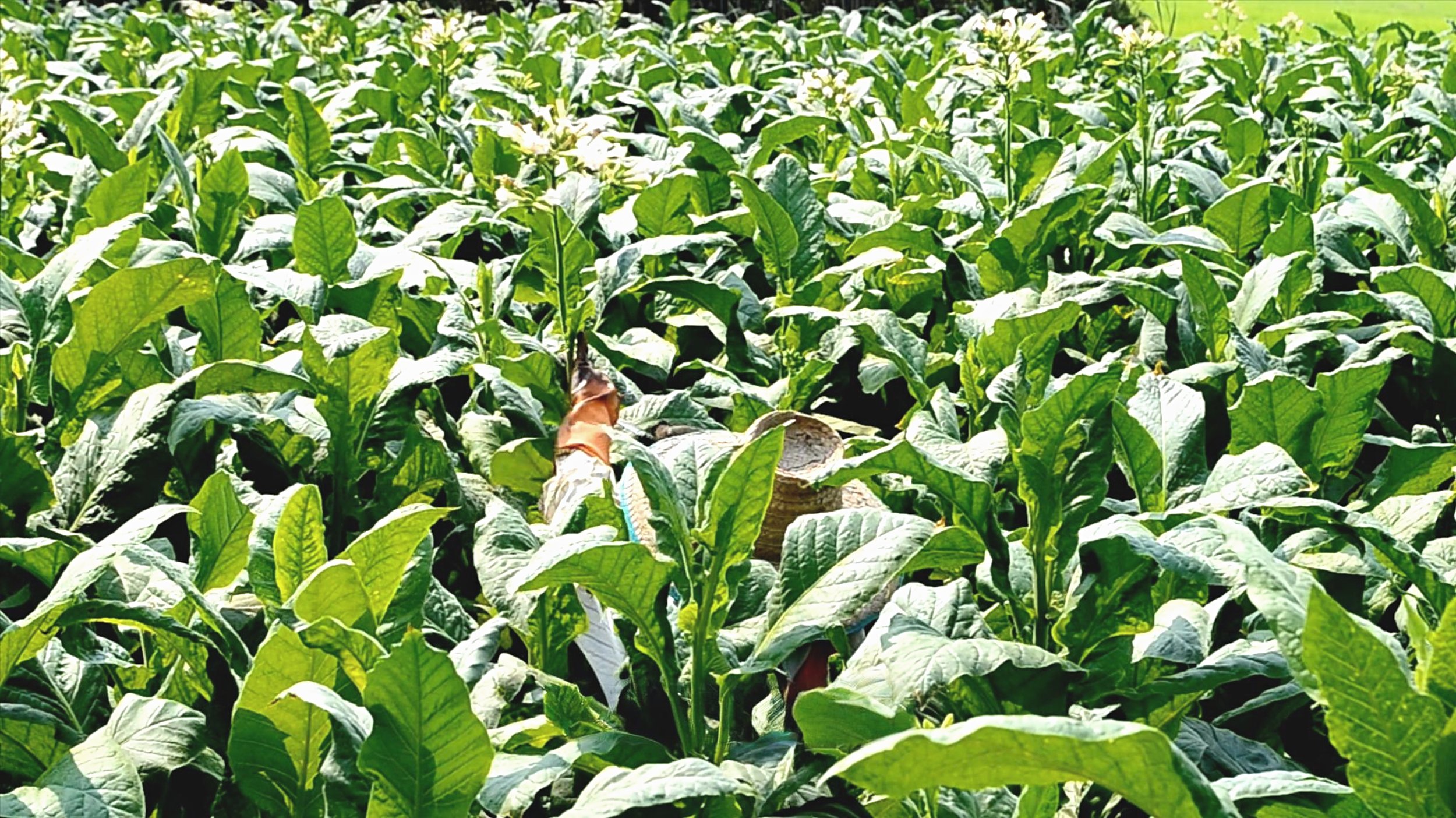
José shared more about his story in the latest magazine edition of Media Voices for Children. His mother was a single mom raising two kids, and he wanted to help. They’d wake up at four in the morning, get picked up around five, and drive to wherever the work was, sometimes an hour away, sometimes two. Nobody ever asked how old he was. Today José uses his experience to advocate for others.
In his article Intersectional Connections, he makes an argument that child labor in agriculture and climate degradation are not two separate issues to be solved by separate people in separate rooms. They are the same crisis. Overconsumption, pollution, and fossil fuel dependence don’t just harm the atmosphere, they drive the extreme weather events that push families into crisis, that pull kids out of school and into fields to help make ends meet. Nearly 70% of child labor worldwide happens in agriculture, and it is precisely in agriculture where legal protections are weakest.
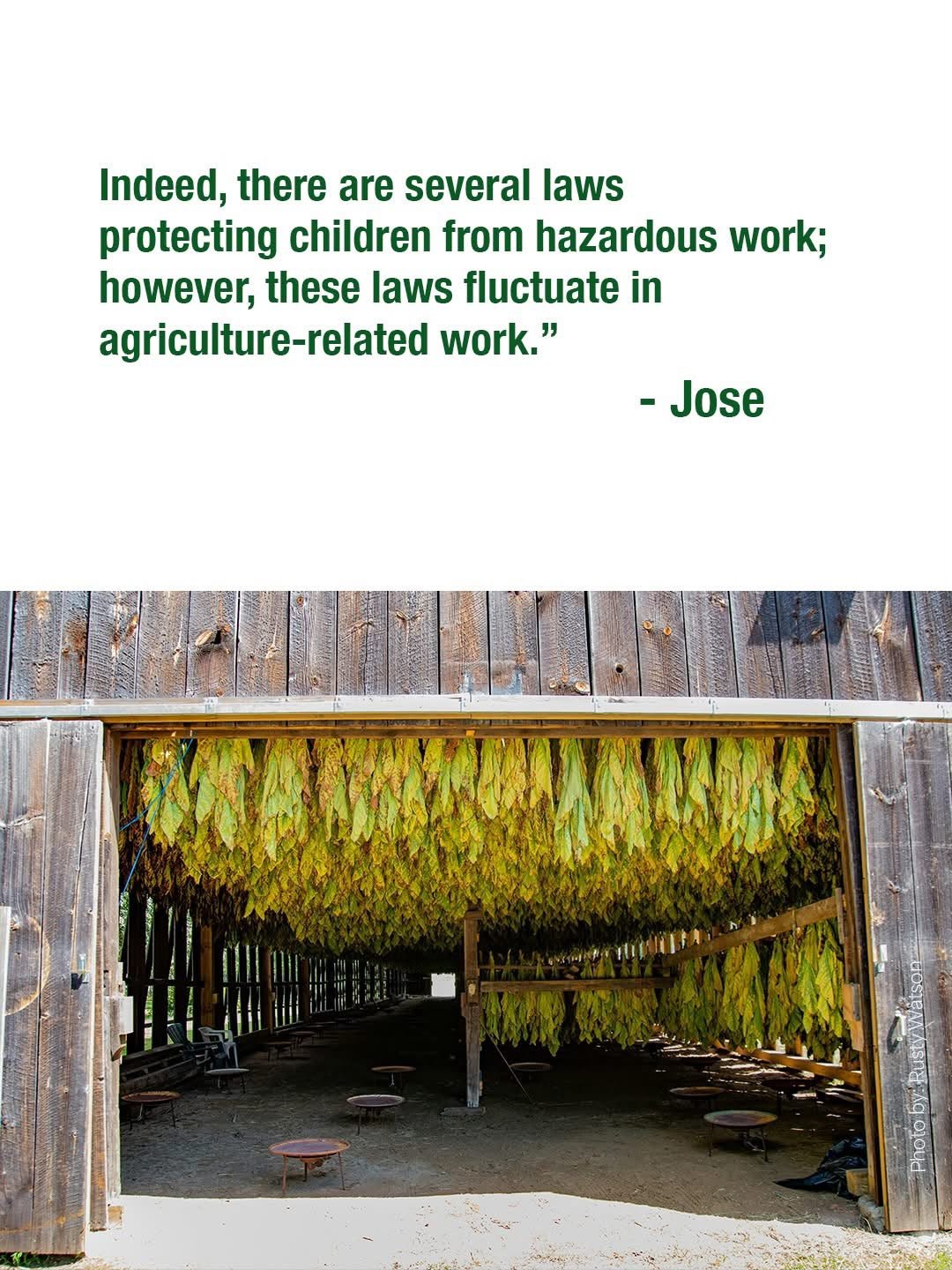
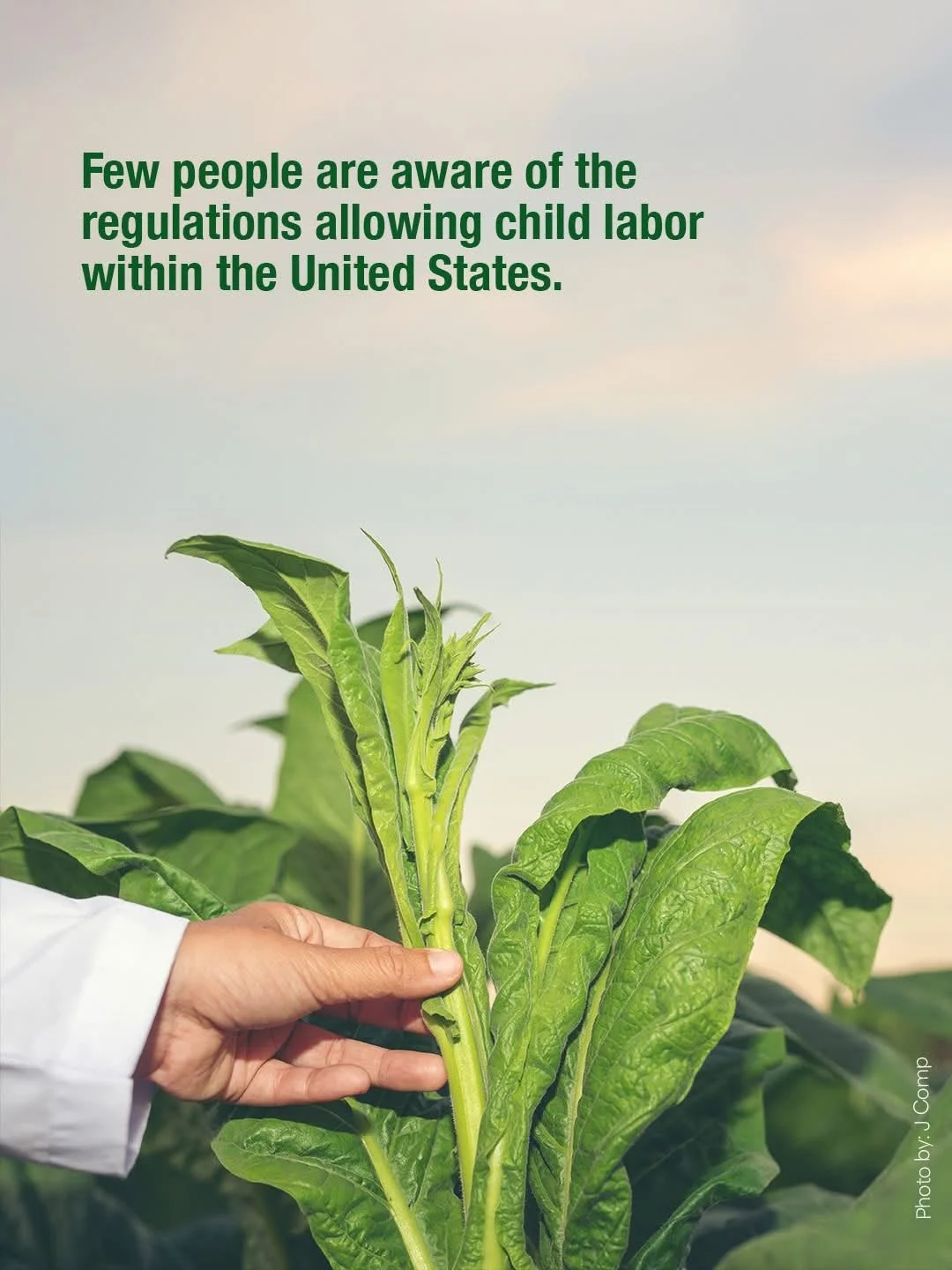
In the United States, the Fair Labor Standards Act of 1938 (FLSA) still allows children as young as ten to work on farms, a carve-out that has survived almost a century of policy change around it. José calls for recognizing children in farm working communities as agents of their own lives: young people with rights, aspirations, basic needs yet to be secured, and with opportunities of accessing basic rights and needs at stake.
His perspective belongs in policy conversations and in the rooms where decisions affecting these children are made. Drawing on lived experience, he brings an essential voice to discussions about the changes, protections, and recognitions needed. Rather than waiting for a seat at the table, José is helping build one for those whose experiences have too often been overlooked.
He points to the Children’s Act for Responsible Employment (CARE) as the kind of legislative effort worth fighting for, though the bill has been currently stalled. Although the efforts to raise awareness and educate about the need the close the loophole and align agricultural work with the same minimum age requirements, hour restrictions, and hazardous-work protections that apply elsewhere, while strengthening penalties for child labor violations, which are urgent.
Farmworker families are resilient, yes. However, resilience was never meant to be a substitute for rights. The strength it takes to wake up at four in the morning, to work twelve hours in tobacco heat, to be exposed to pesticides and green tobacco sickness, to come home exhausted and still believe in a different future, should never be overlooked. In fact, that strength deserves to be met with something real: fair wages, enforceable labor protections, access to education, and adequate climate policies that account for the communities most vulnerable and absorbing the worst of environmental breakdown.
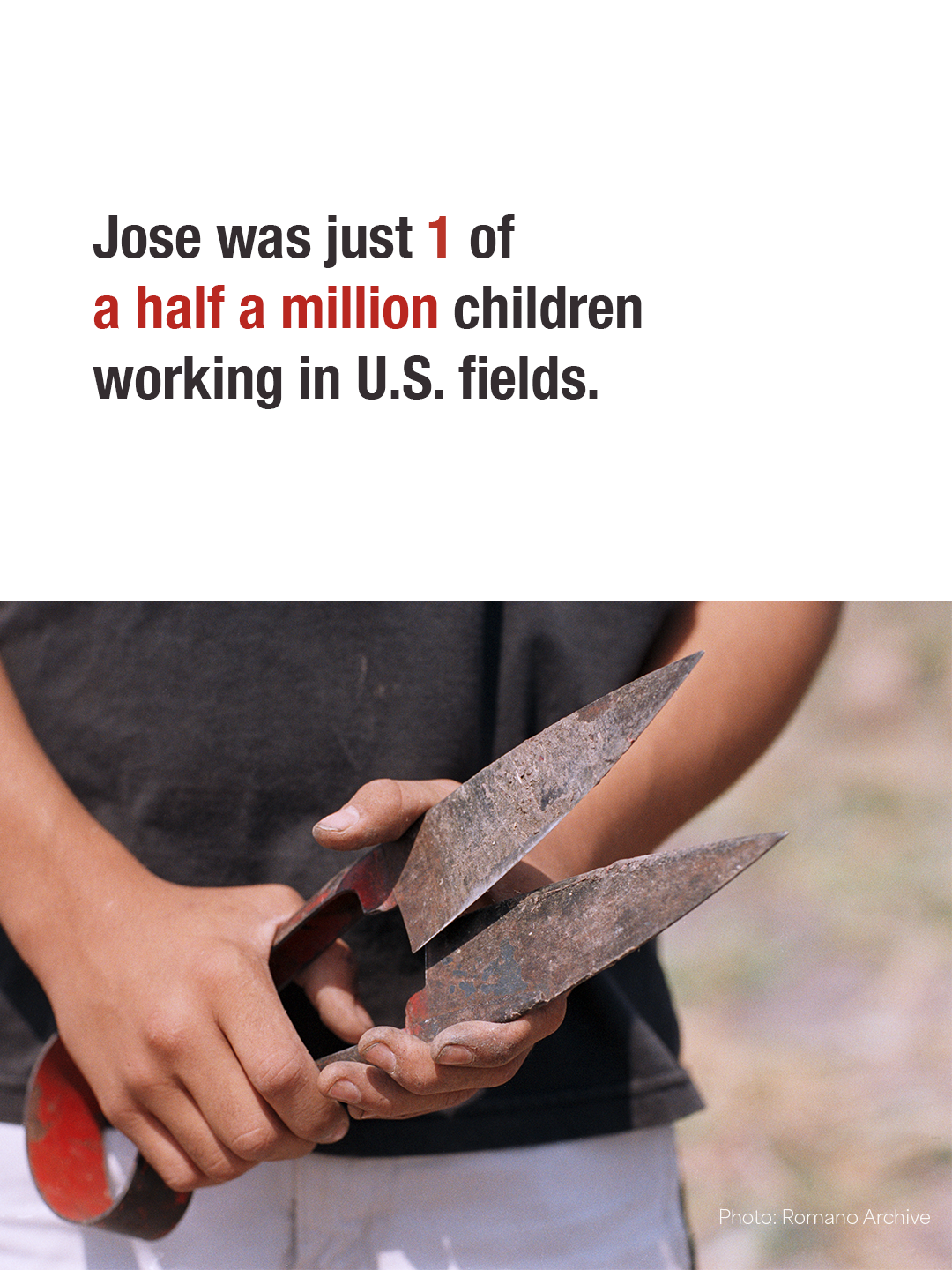
José Velázquez Castellano was thirteen years old when he first entered the tobacco fields of North Carolina, working alongside his mother under the hot summer sun. He was one of an estimated half a million children laboring in U.S. agriculture each year; a reality made possible by legal exemptions that allow children to perform work considered too hazardous in most other countries and despite a broad international consensus that children should be protected from such labor.
Tobacco is a particular kind of hard. The plants grow tall and trap heat, so even when it’s a hundred degrees outside, it feels worse inside the rows. José would get badly dehydrated across twelve-hour days, six days a week. Tobacco leaves are wet early in the day, and that moisture carries nicotine. The workers would bring trash bags from home to wear as barriers between their skin and the plants. If there was no bathroom in the field, they went into the woods. When José was thirteen, he was making around six dollars an hour. By eighteen, nine. Nine dollars an hour for brutal, dangerous work.
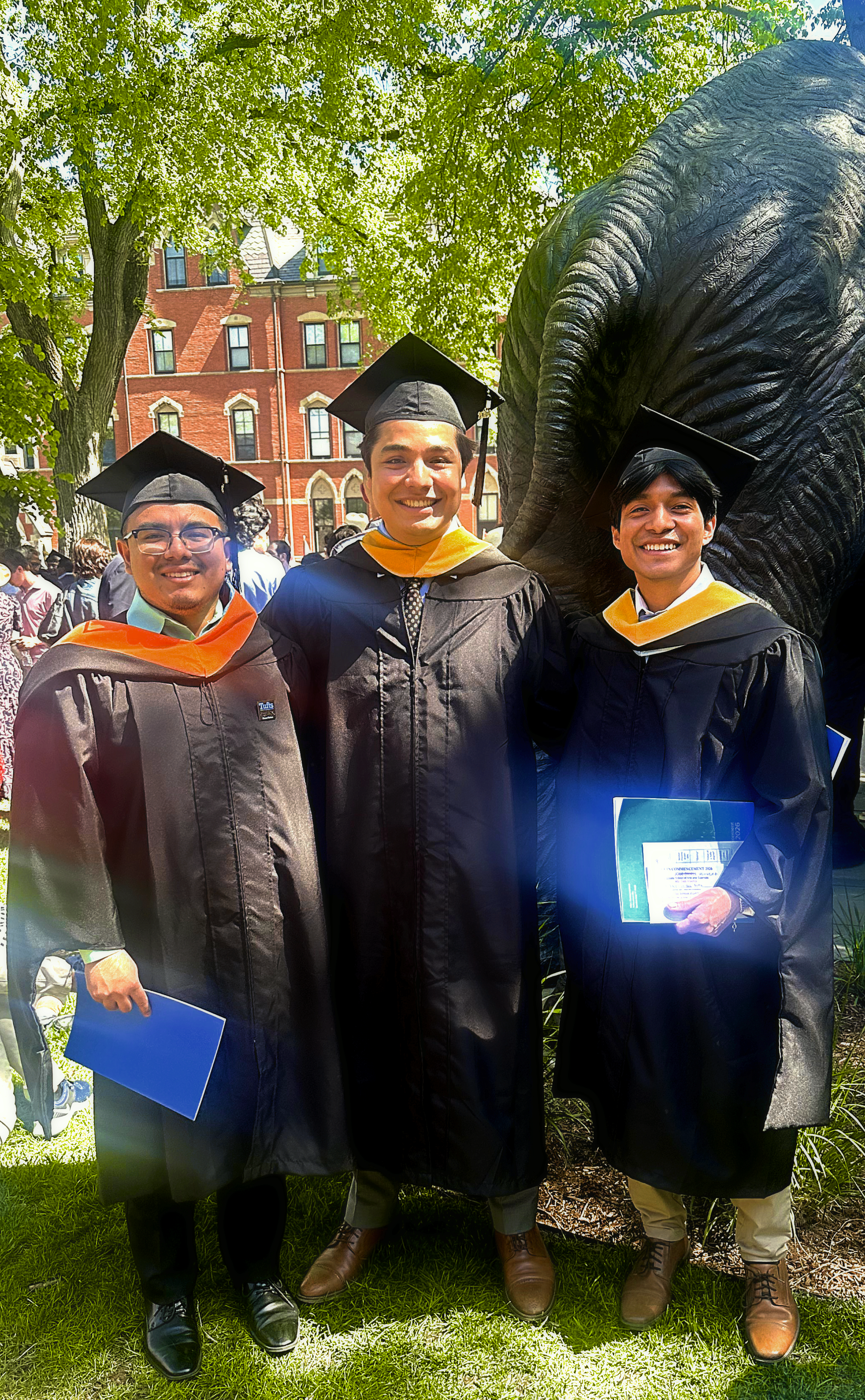
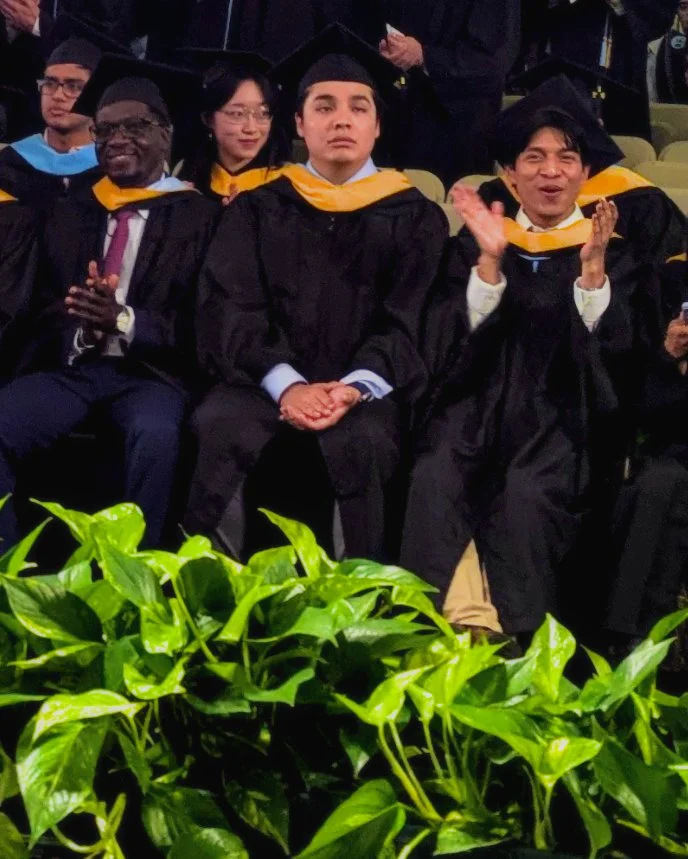
José recently completed his Master of Science in Data Analytics at Tufts University just one year after finishing his Bachelor of Science in Econometrics and Quantitative Economics at the same institution. Understanding how to work with data and measure what is actually happening to communities like the one he grew up in, is its own form of advocacy. During his undergraduate years, he still found time to serve as Treasurer for United for Immigrant Justice, carrying the same commitment to farmworker and immigrant communities from the fields into campus organizing.
From those early mornings in the tobacco fields of North Carolina to the halls of Tufts University, José’s journey was made possible through extraordinary perseverance, the support of social programs, and the people who recognized his potential and invested in his future.
Stories like José’s matter because they remind us that talent is universal but opportunity is not. We invite you to see children as children first, individuals with rights, dreams, and futures worth protecting: This is the heart of our mission. By amplifying the voices of children and communities too often overlooked, we seek not only to tell these stories, but to help create better material conditions for all children. The question is whether we are willing to build a society that recognizes their potential and gives them the chance to thrive?